
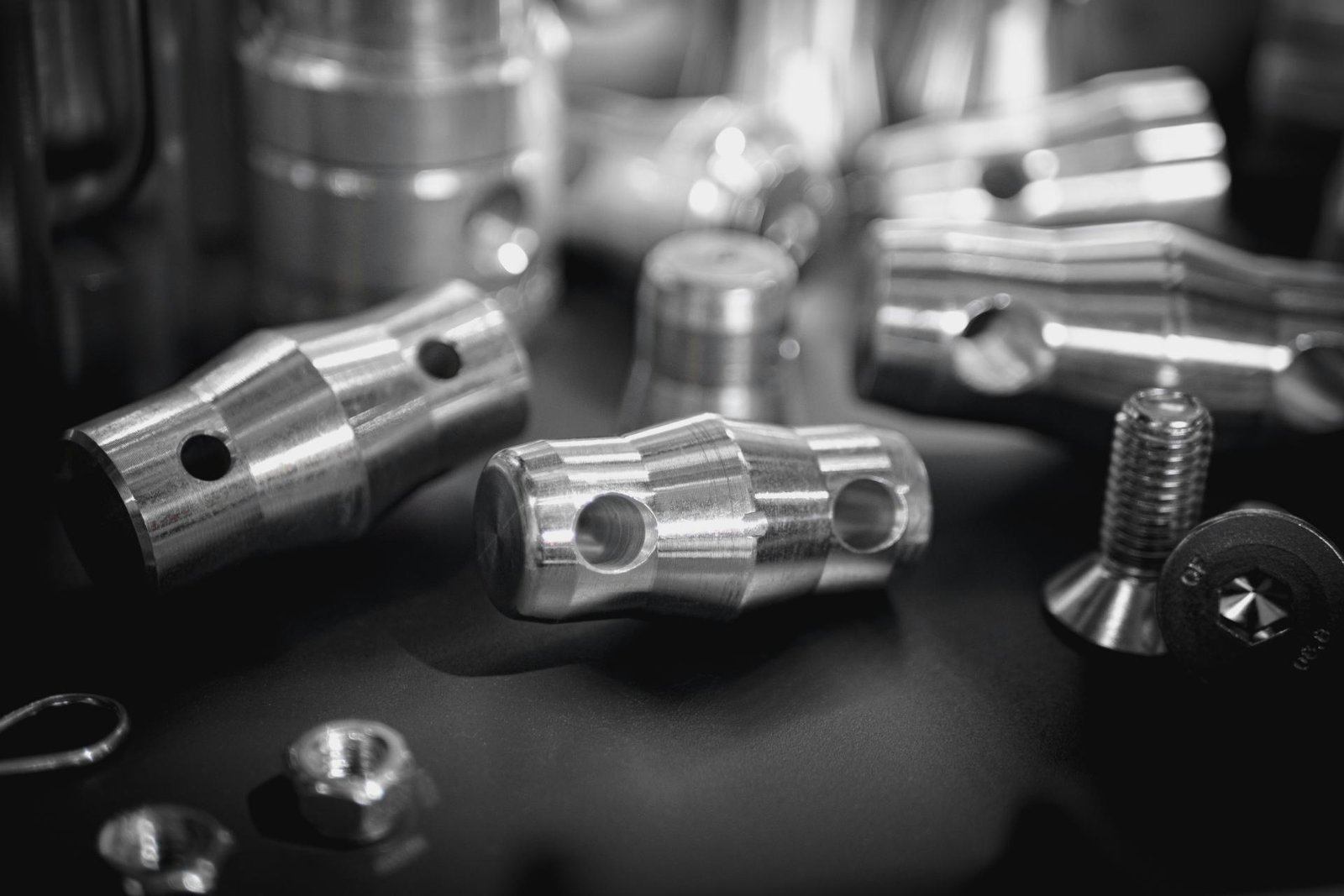
The Evolution of CNC Machining and the Future of Precision Manufacturing
In the landscape of modern industry, precision manufacturing and Computer Numerical Control (CNC) machining have become the bedrock of high-end production. From aerospace and semiconductors to medical devices and life sciences, the evolution of CNC technology continues to push the boundaries of what is possible.
At REBAN, we don’t just use these machines; we advance the standards of how they serve global innovation. Here is a look at where this technology came from and where REBAN is taking it next.
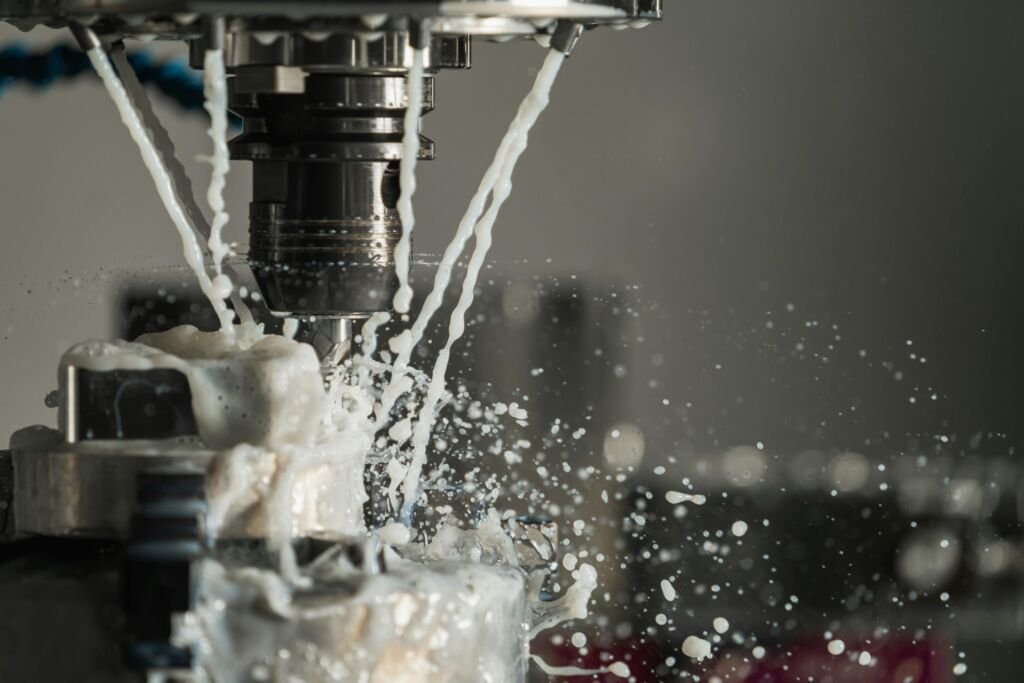
Defining Precision & CNC Machining
Precision Manufacturing is the process of producing high-quality components with extremely tight tolerances. It requires a synergy of high-efficiency equipment and rigorous process control to meet the stability and reliability demands of critical industries.
CNC Machining is the heartbeat of this process. By using computerized systems to control automated tools, CNC technology has unlocked levels of accuracy, complexity, and repeatability that were once thought impossible.
A Journey Through Time: The Evolution of CNC
1. The Manual Era (Early 20th Century)
Before automation, machining relied entirely on manual labor. Production quality was dictated by the individual skill of the craftsman, making large-scale precision difficult to sustain.
2. The Birth of Numerical Control (1940s)
The concept of “Numerical Control” (NC) was born at MIT, using punched tape to guide machine movements. This was the first step toward removing human error from the cutting path.
3. The Digital Revolution (1960s – 1970s)
As computers shrank in size and grew in power, NC became CNC. This era marked the transition into mass industrial production, particularly for the automotive and aviation sectors.
4. The Multi-Axis Breakthrough (1990s)
The introduction of 5-axis machining allowed tools to approach a part from five different directions simultaneously. This revolutionized the production of complex geometries, such as turbine blades and medical implants.
5. The Era of Intelligence (Present Day)
Today, CNC machining is a fusion of hardware, IoT (Internet of Things), and AI. Modern machines perform real-time data collection and self-optimization, creating a truly “Smart Factory” environment.
The REBAN Advantage in Precision Manufacturing
REBAN utilizes this rich history of innovation to provide a competitive edge for our clients. By combining our in-house technical mastery with a vetted network of specialized manufacturing partners, we fulfill the key roles of modern CNC:
Micro-Level Accuracy: We achieve tolerances at the micron level, essential for aerospace and surgical tools.
Complex Geometry: Our 5-axis capabilities allow us to tackle the “un-machinable,” turning complex CAD designs into physical reality.
Flexible Production: Whether it is a single prototype or a low-volume batch of 1,000, our digital workflow allows for rapid re-configuration and “lean” manufacturing.
Future Trends: Where is REBAN Heading?
As we look toward the future, REBAN is investing in three key pillars:
Smart & Autonomous Manufacturing
We are integrating AI-driven DFM (Design for Manufacturing) tools that allow us to predict potential machining issues before the first cut is made, drastically reducing waste and lead times.
Sustainability & Green Tech
The future of CNC is “Green.” We are focusing on high-efficiency energy use and closed-loop recycling for metal scraps (Titanium, Aluminum, Steel) to meet the growing environmental standards of our global partners.
Micro & Nano-Machining
As electronics and medical devices shrink, the demand for micro-machining grows. REBAN is pushing into the realm of nano-level finishing to support the next generation of life-science applications.
Conclusion
The story of CNC machining is one of constant progression. Today, these machines are more than just tools—they are the engines of global progress. At REBAN, we are proud to be a part of this journey, moving beyond simple fabrication to provide comprehensive engineering solutions that help our customers lead their respective industries.
