

Design Tips
The REBAN Guide to Engineering for Manufacturability (DFM)
Effective Design for Manufacturability (DFM) is the foundation of scalable, high-quality precision components. Use these REBAN-engineered tips to balance performance, speed, and cost—without compromising reliability.
Geometry Optimization: CNC-First Design Principles
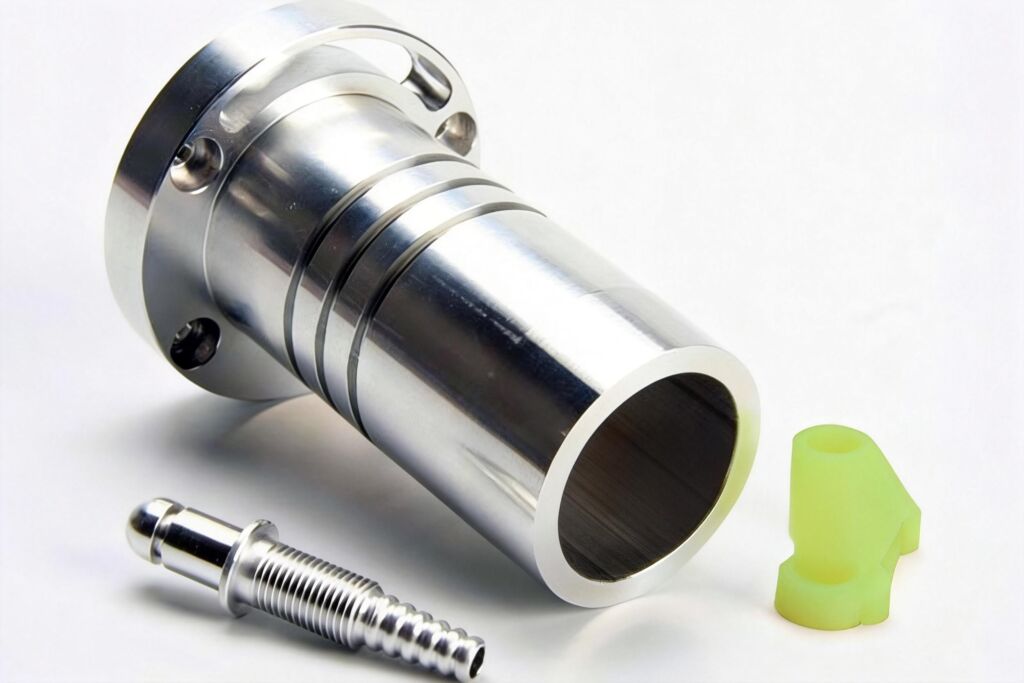
CNC machining is a subtractive process. Designing with our standard tooling and mid-sized factory workflow in mind reduces cycle time, tool wear, and scrap rates.
- Internal Corners: Specify a minimum radius (≥0.5mm for metals, ≥1mm for plastics) to match standard end mills. Sharp 90° internal corners require slow, costly EDM processing and should be avoided unless mission-critical.
- Depth-to-Diameter Ratio: Keep hole depth to ≤4:1 for stable machining. Ratios up to 10:1 are possible but increase tool deflection and inspection time, raising unit costs.
- Wall Thickness: Maintain ≥0.8mm for metal parts and ≥1.5mm for plastic parts to prevent chatter, deformation, and tool breakage during high-speed cutting.
- Thread Depth: Limit thread depth to 2× the major diameter—deeper threads offer no additional mechanical strength but drastically increase tap breakage risk and production time.
Material Intelligence: Cost-Effective Material Selection
As your one-stop precision manufacturing partner, REBAN machines a full spectrum of metals and engineered plastics—optimizing material choices to match your performance and budget goals.
Material Selection Table
| Material Class | Common Grades | REBAN Expert Insight (Practical Focus) |
|---|---|---|
| Lightweight Metals | 6061-T6 Aluminum, 7075 Aluminum | High-Speed & Telecom-Focused: Excellent machinability; ideal for optical module housings (800G/1.6T) and lightweight brackets. |
| Stainless Steels | 303/304/316 SS, 17-4 PH, 440C | Corrosion & Wear Resistance: Preferred for precision connectors, medical fluidic parts, and automotive components. |
| High-Temp Alloys | Kovar, Invar, Titanium | CTE-Matched & Aerospace Grade: For hermetic sealing and high-temperature applications; requires REBAN’s rigid 4/5-axis setup. |
| Engineered Plastics | PEEK, POM (Delrin), PEI (Ultem), PTFE | Precision Insulation: Ideal for electrical insulators, medical devices, and non-conductive optical components. |
| Advanced Materials | Zirconia Ceramics, Carbon Fiber Composites | Extreme Performance: For high-wear fiber ferrules and semiconductor components, processed via our specialized post-grinding lines. |
Smart Tolerancing: Balance Precision & Cost
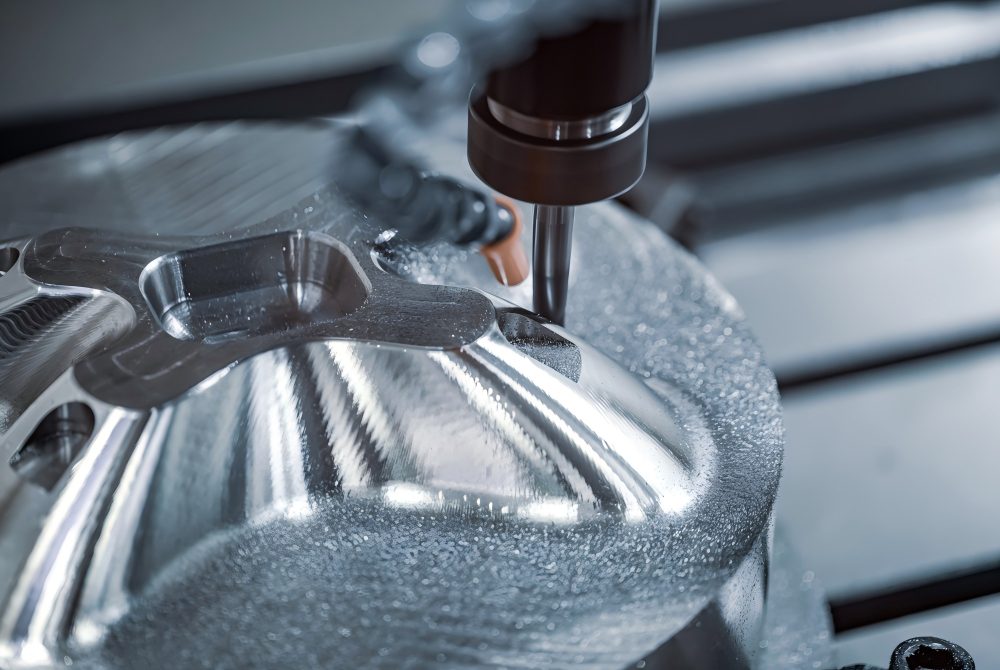
At REBAN, we align tolerances with real-world manufacturing feasibility—avoiding over-specification while meeting your functional requirements.
Tolerance Grade Table
| Tolerance Grade | Typical Application | REBAN’s Practical Note |
|---|---|---|
| ±0.1mm (Standard) | Enclosures, non-critical brackets, frames | Fastest lead times, lowest cost; meets 80% of general industrial needs. |
| ±0.02mm (High Precision) | Press-fit interfaces, rotating shafts, connector bodies | Requires slower feeds and CMM sampling; balances performance and production stability. |
| ±0.005mm (Ultra-Precision) | Optical ferrules, lens barrels, aerospace valve seats | Reserved for mission-critical features; requires controlled environment inspection. |
In-House Surface Finishing: Application-Ready Parts
REBAN’s one-stop model includes 20+ in-house surface finishing processes, so you never need to coordinate with external vendors.
- For Optical & Telecom: Black anodizing (Type III) for anti-reflective, stray-light control; selective gold plating for RF contacts with 5,000+ mating cycles.
- For Medical & Cleanrooms: Electropolishing + passivation to eliminate contaminants; ultrasonic cleaning for sterile assembly.
- For Robotics & Automation: Hard anodizing (Type III) or heat treatment for high-wear end-effectors and guide rails.
- For Cost Efficiency: Electroless nickel plating with pre-compensated tolerances to maintain assembly fit after coating.
Scalability & One-Stop Efficiency: From 1 to 5,000+ Units
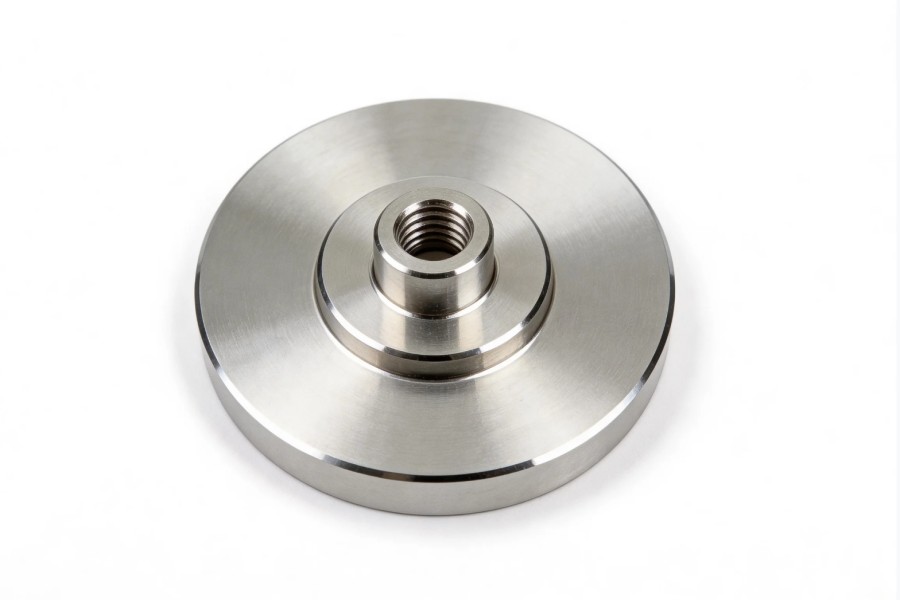
REBAN’s mid-sized factory structure excels at agile small-batch production—delivering stable quality from prototype to low-volume scaling, with no vendor coordination delays.
- One-Stop Workflow: We handle CNC machining, sheet metal, surface finishing, and assembly in-house—eliminating multi-vendor bottlenecks.
- Small-Batch Stability: Our SPC (Statistical Process Control) ensures critical dimensions maintain CpK ≥1.33 for batches as small as 1 piece, matching mass-production quality.
- Speed & Cost: Prototype lead times of 3–7 days and small-batch production in 10–14 days; optimized supply chains deliver 20–35% cost savings vs. Western suppliers.
- Scalability Path: For volumes >500 units, our team can advise on transitioning to injection molding or vacuum casting to reduce per-part costs by up to 40%.
The REBAN DFM Advantage: Early, Practical Support
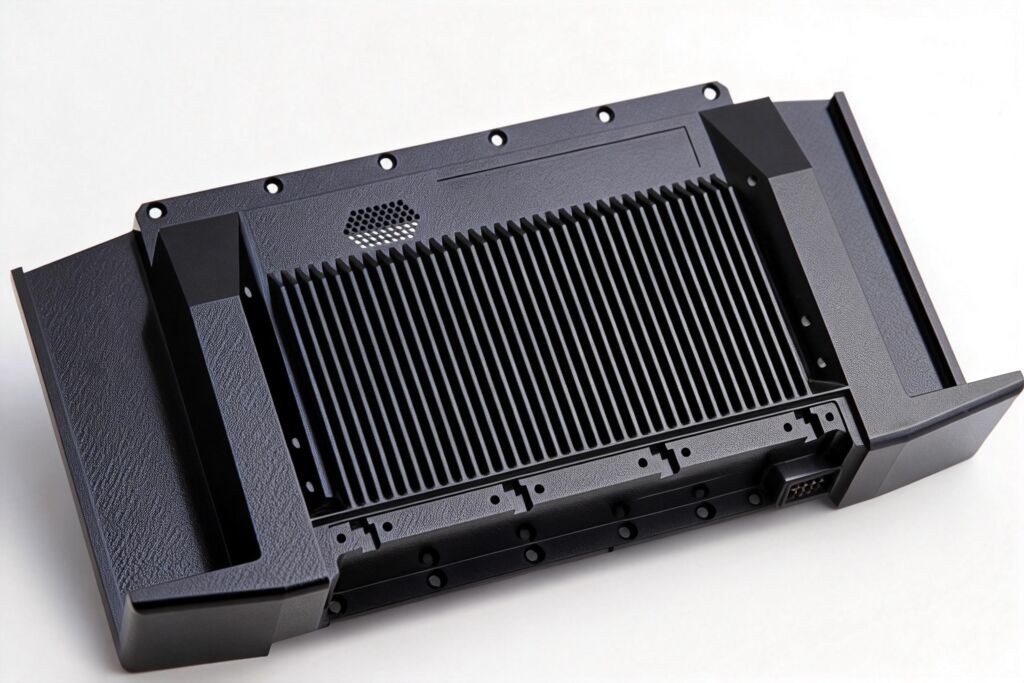
Our engineering team provides a complimentary DFM review with every quote—tailored to our precision manufacturing capabilities:
- Flag impractical features (e.g., deep thin walls, sharp internal corners) before they cause delays
- Suggest material substitutions to balance performance and cost
- Optimize part orientation for 4/5-axis efficiency
- Align tolerances with our in-house CMM inspection (±0.0015mm precision)
